Ultra-Processed Foods and Weight Gain: What Peer-Reviewed Research Shows
A landmark NIH study found people ate 500 extra calories a day on ultra-processed diets. Here is what UPF means, why it matters, and what to eat instead.
Read time: 7 min read
Try MealCoach.ai free —App Store now · Google Play coming soon · 14-day free trial
You can match calories and macros on a nutrition label and still gain weight — if one diet is built from ultra-processed foods and the other is not. That is not marketing. It is what a controlled NIH feeding trial demonstrated.
What are ultra-processed foods (UPFs)?
Nutrition researchers classify foods using the NOVA system, developed by Carlos Monteiro and colleagues at the University of São Paulo. Group 4 — ultra-processed foods are industrial formulations made mostly from substances extracted from foods (oils, sugars, starches, protein isolates) plus flavors, colors, emulsifiers, and preservatives. Think:
- Sodas and sweetened drinks
- Packaged snacks, chips, cookies
- Instant noodles and frozen pizza
- Many breakfast cereals, chicken nuggets, and deli meats
- Flavored yogurts with long ingredient lists
Group 1 foods — whole fruits, vegetables, eggs, plain yogurt, rice, beans — sit at the other end of the spectrum.
The NIH study that changed the conversation
In 2019, Kevin Hall and researchers at the National Institutes of Health ran a crossover trial: 20 adults lived in a metabolic ward and received either ultra-processed or minimally processed diets for two weeks each. Meals were matched for calories, sugar, fat, fiber, and macronutrients.
Results:
- Participants ate ~508 more calories per day on the ultra-processed diet.
- They gained about 2 pounds in two weeks on UPF; lost weight on the minimally processed diet.
- Hunger hormones shifted — people ate more before feeling full on UPF.
The takeaway is not that calories "do not matter." They do. But food processing changes how many calories you spontaneously eat — which is why two people can both "track macros" and get wildly different results.
Why UPFs drive overeating
Researchers propose several mechanisms: softer texture (faster eating), hyper-palatable flavor engineering, low protein and fiber density per calorie, and disrupted hunger signaling. Ultra-processed diets are also consistently associated in observational studies with higher risk of obesity, cardiovascular disease, and all-cause mortality — independent of weight in some cohorts.
What this means for Make America Healthy Again
The renewed national focus on chronic disease, children's health, and food quality aligns with what nutrition science has been documenting for over a decade: America's food environment rewards processing, not nourishment. Policy solutions take time. Your next meal does not have to wait.
Practical shifts (without going extreme)
- Upgrade one meal at a time. Start with lunch — often the most processed meal of the day.
- Use the ingredient list, not just the front of the package. Fewer ingredients you recognize usually means less processing.
- Cook one more dinner per week at home. Even simple meals (eggs, rice, frozen vegetables) beat most takeout on processing score.
- Get feedback on whole meals. Manual tracking misses how processing and ingredients work together. A meal-level view helps.
How MealCoach.ai helps with processing
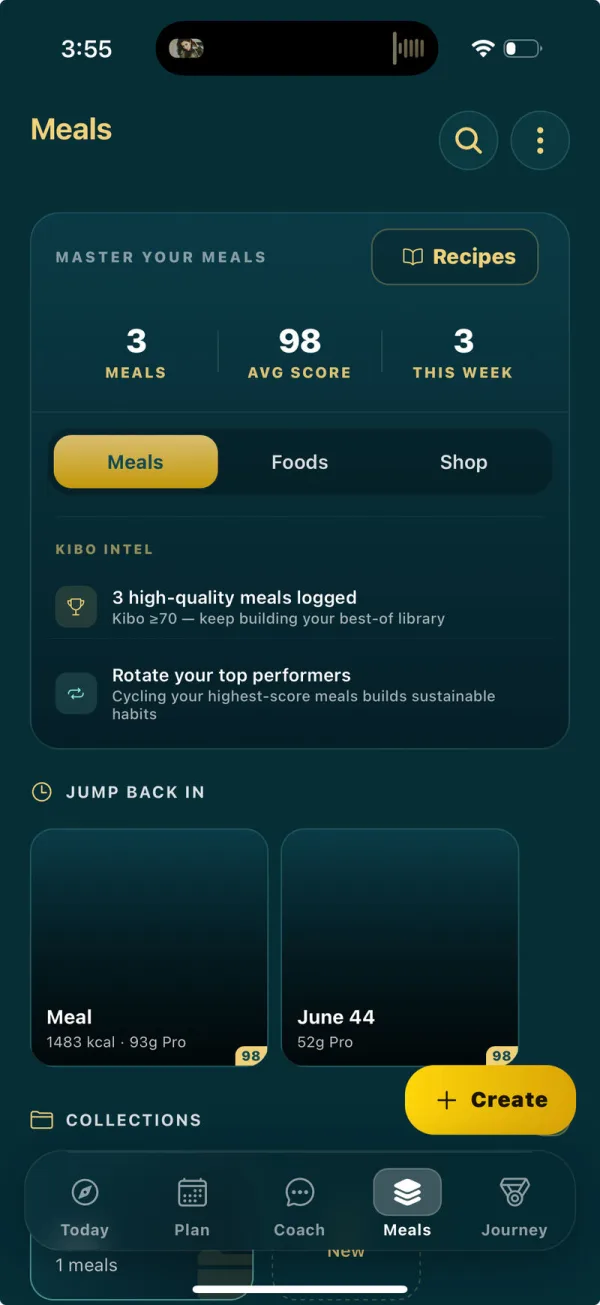
Log a meal in MealCoach.ai and get feedback on how processed foods fit your plate — plus one concrete swap from Coach Kibo to improve it.
Science-backed. Meal-level. Built for the way Americans actually eat.
Sources
- Ultra-Processed Diets Cause Excess Calorie Intake and Weight Gain (Hall et al.) — Cell Metabolism / NIH
- The UN Decade of Nutrition, the NOVA Food Classification and the Trouble with Ultra-Processing — Public Health Nutrition (Monteiro et al.)
- Ultra-processed Foods and Health Outcomes — Harvard T.H. Chan School of Public Health
More to learn


Our commitment to you
MealCoach.ai is dedicated to science-backed nutrition guidance you can apply at your next meal — we're a new app building in the open. no inflated user counts — just real features you can try free for 14 days.
- Research from sources you can trust
- Practical guidance, not lecture-style calorie math
- Updated as nutrition science evolves
App Store now · Google Play coming soon · 14-day trial