Cutting Added Sugar: The Highest-Impact Habit for Weight Loss and Longevity
Americans average 17 teaspoons of added sugar daily. Here is what WHO, the AHA, and clinical research say — and how to cut back without giving up food you love.
Read time: 8 min read
Try MealCoach.ai free —App Store now · Google Play coming soon · 14-day free trial
If you could change one nutrition habit for both weight loss and long-term health, the evidence points to the same place: reduce added sugar.
Not fruit. Not milk's natural lactose. Added sugars — the sweeteners manufacturers stir into soda, yogurt, bread, sauces, coffee drinks, and "healthy" granola. The national conversation around Make America Healthy Again has put ultra-processed foods and excess sugar back on the table. The good news: the science behind that focus is solid, and the fixes are simpler than social media makes them sound.
How much sugar are Americans actually eating?
The CDC reports that American adults average roughly 17 teaspoons (68 grams) of added sugar per day — well above every major guideline. Teen intake is even higher. Most of it comes from beverages and packaged foods, not from someone spooning sugar onto oatmeal.
What the guidelines recommend
- WHO: Less than 10% of daily calories from free sugars; additional benefits below 5%.
- American Heart Association: No more than 6 teaspoons (25 g) daily for women and 9 teaspoons (36 g) for men from added sugars.
- Dietary Guidelines for Americans: Limit added sugars to less than 10% of calories per day.
For a 2,000-calorie diet, 10% is about 50 grams — still less than the average American consumes today.
Why sugar matters for weight and longevity
Added sugar drives weight gain through three mechanisms researchers agree on:
- Excess calories without satiety. Liquid sugar (soda, juice drinks, sweet coffee) does not trigger fullness the way whole food does.
- Glycemic spikes and crashes. Rapid blood sugar rises promote hunger and cravings within hours.
- Displacement of nutritious food. Sweet packaged foods crowd out protein, fiber, and micronutrients your body needs to age well.
Long-term, high added-sugar diets are associated with increased risk of type 2 diabetes, cardiovascular disease, and fatty liver — conditions that shorten healthspan even when they do not show up on the scale immediately.
The MAHA moment: culture meets chemistry
Whether you follow politics or not, the Make America Healthy Again movement reflects a bipartisan frustration Americans already feel: we are sicker, heavier, and more confused about food than we were a generation ago. The policy debate is loud. The biochemistry is quieter but clearer — we eat too much added sugar and too many ultra-processed foods, and our bodies respond predictably.
You do not need to wait for federal reform to change your kitchen. Start with the habits below.
Five swaps that work (ranked by impact)
1. Eliminate sugary drinks
Soda, sweet tea, energy drinks, and large flavored lattes are the #1 added sugar source for most Americans. Switching to water or unsweetened beverages alone can cut daily sugar by half for many people.
2. Read labels for "includes added sugars"
Since 2021, U.S. nutrition labels must list added sugars separately. Check sauces, bread, yogurt, and protein bars — sugar hides in savory foods too.
3. Build sweet satisfaction into whole meals
Fruit with Greek yogurt, dark chocolate with nuts, or a scored home-cooked meal beats a processed "low-fat" cookie that spikes glucose without filling you up.
4. Prioritize protein and fiber at breakfast
A sugary breakfast sets up a sugary day. Eggs, oats with berries, or a veggie scramble stabilizes appetite through lunch.
5. Score the whole meal — not just one ingredient
A meal with moderate natural sugars from fruit but high protein, fiber, and minimal processing can score well. A "sugar-free" processed bar with refined oils and emulsifiers may not.
How MealCoach.ai looks at sugar in context
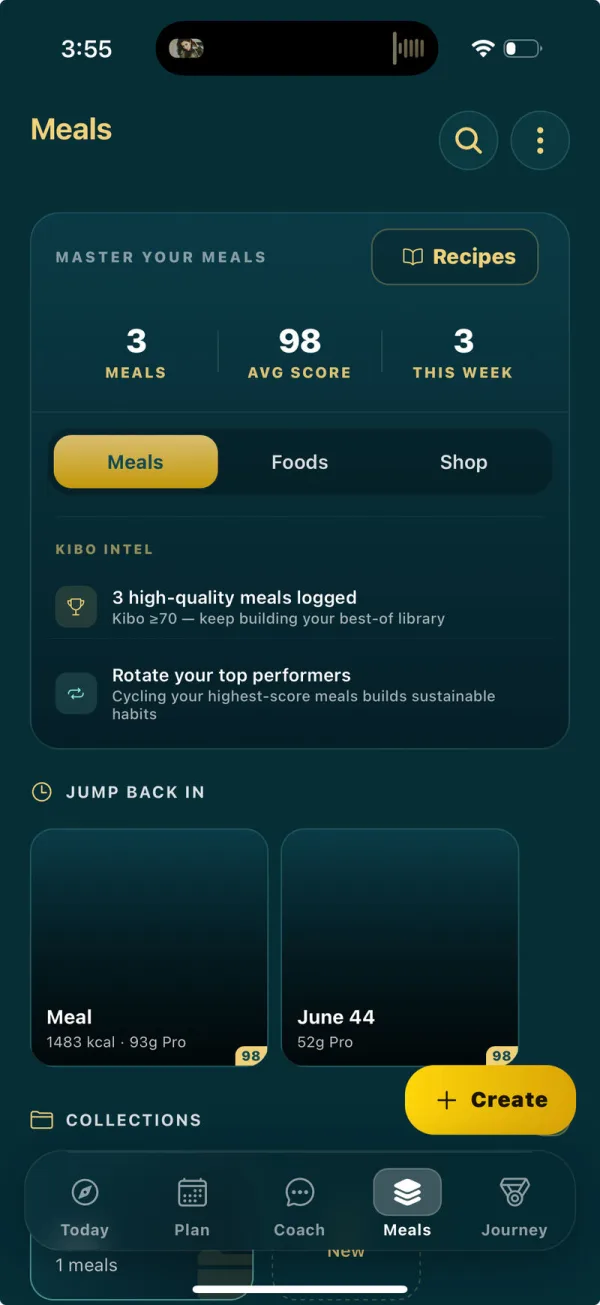
MealCoach.ai does not demonize single nutrients. It looks at complete meals so you see how added sugar fits into the bigger picture. Coach Kibo suggests specific swaps that make your next meal better — without lecturing you.
Less guilt. More clarity. That is how sustainable change actually happens.
Sources
- Know Your Limit for Added Sugars — Centers for Disease Control and Prevention
- Added Sugars — American Heart Association
- Guideline: Sugars Intake for Adults and Children — World Health Organization
- Dietary Guidelines for Americans, 2020–2025 (Added Sugars) — USDA / HHS
More to learn


Our commitment to you
MealCoach.ai is dedicated to science-backed nutrition guidance you can apply at your next meal — we're a new app building in the open. no inflated user counts — just real features you can try free for 14 days.
- Research from sources you can trust
- Practical guidance, not lecture-style calorie math
- Updated as nutrition science evolves
App Store now · Google Play coming soon · 14-day trial